
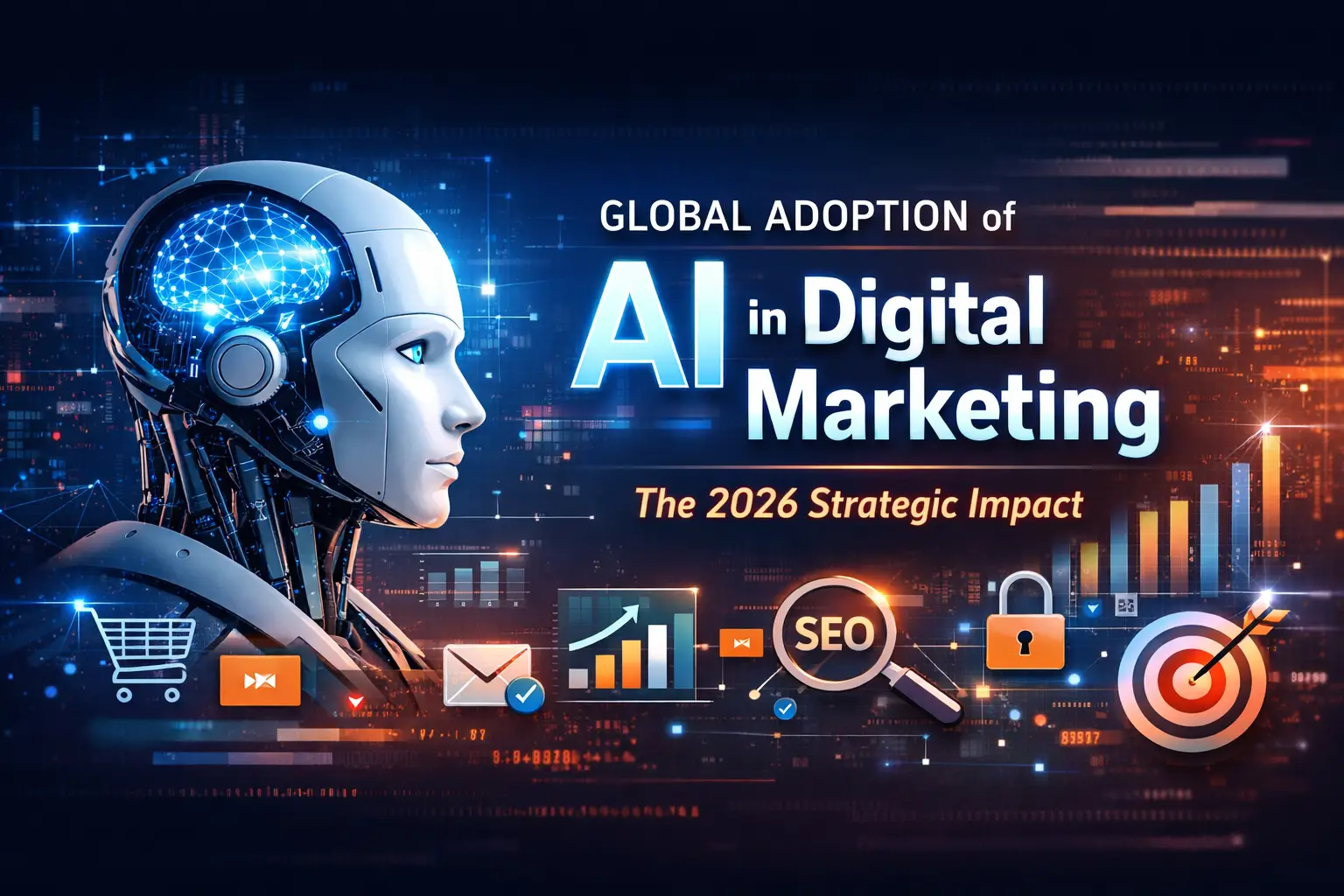
Artificial Intelligence is no longer a competitive advantage — it is a competitive requirement.
Across the world, AI has shifted marketing from manual execution to intelligent orchestration. From hyper-personalized ads to predictive analytics and automated campaigns, the global adoption of AI is fundamentally reshaping how businesses attract, convert, and retain customers.
But the real question is not “Is AI important?”
The real question is:
How should businesses strategically adapt to AI-driven marketing in 2026?
1️⃣ Hyper-Personalization at Scale

4
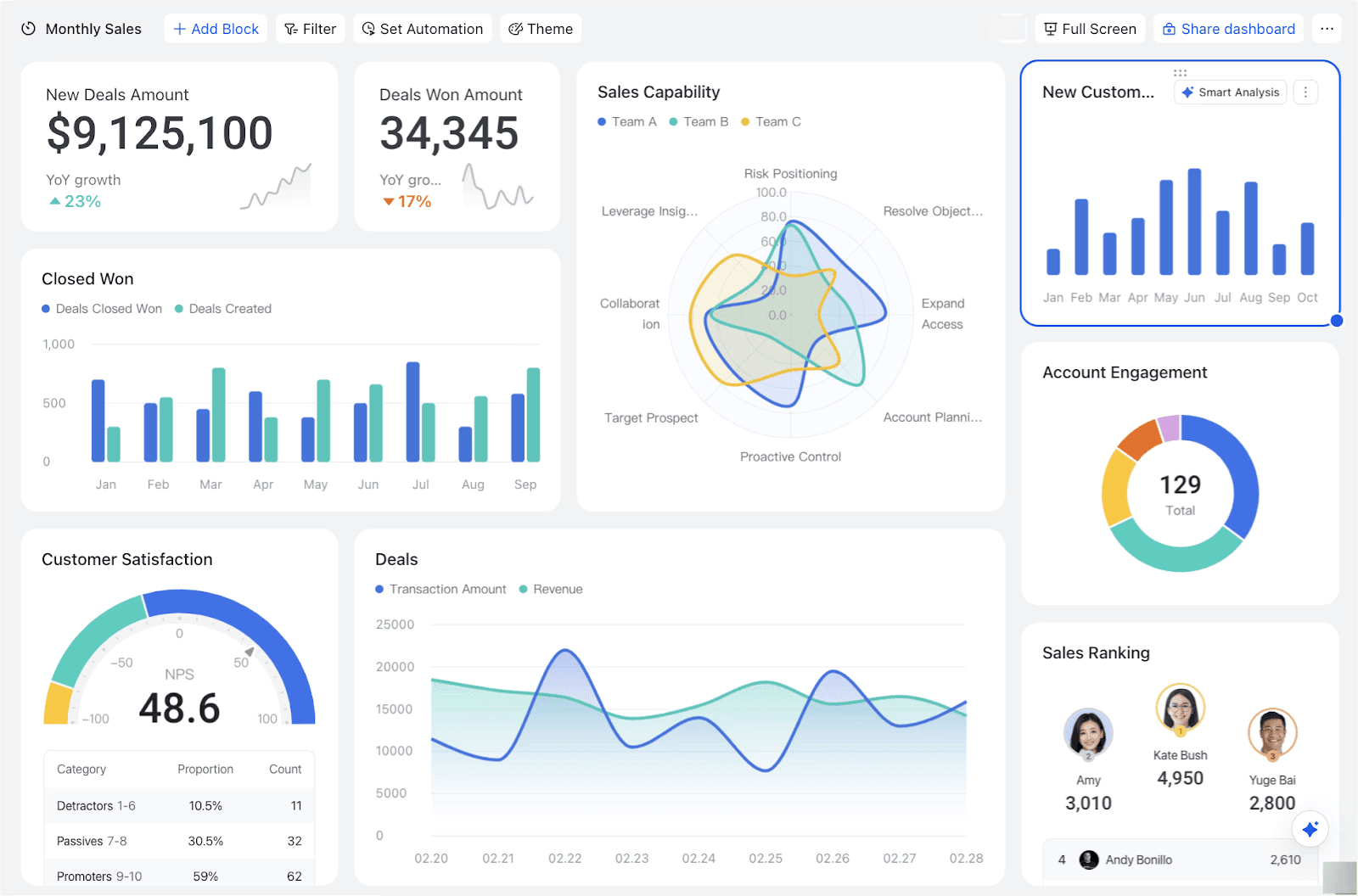
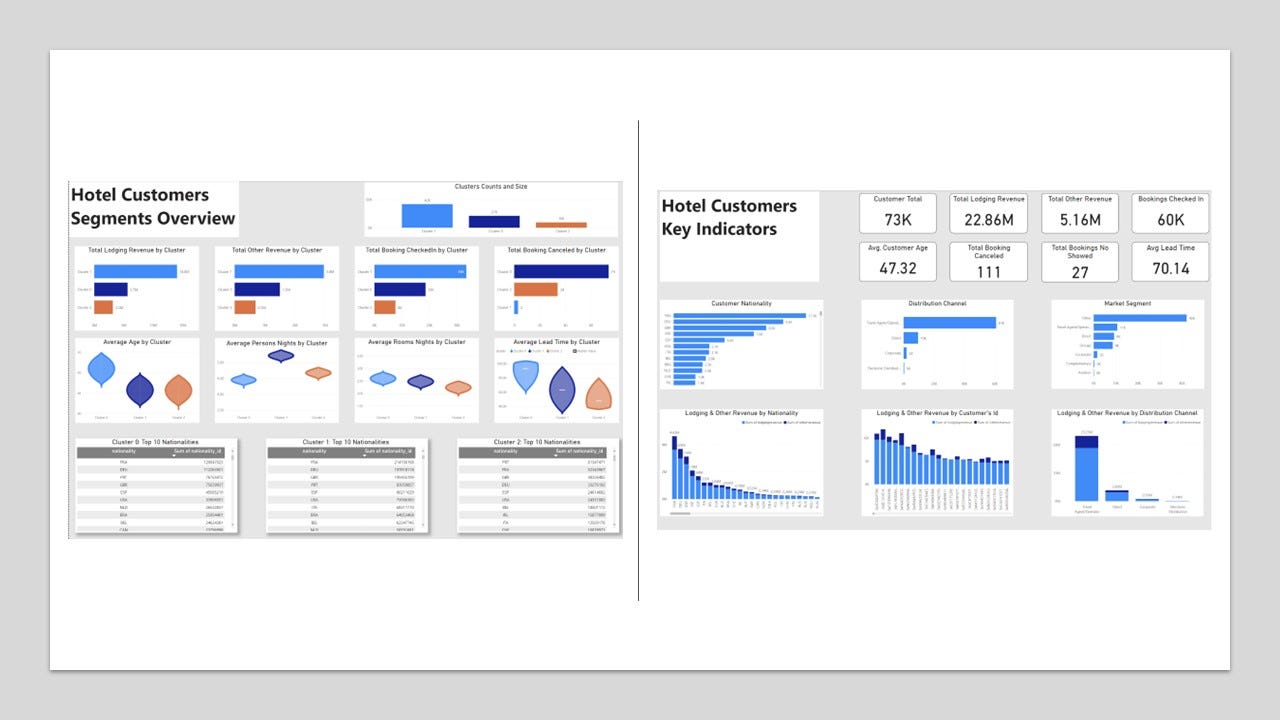
AI enables brands to personalize experiences at a scale previously impossible.
Impact:
- Dynamic website content
- Behavior-triggered email campaigns
- Predictive product recommendations
- Automated audience segmentation
For SMEs in Singapore, this means small teams can now execute enterprise-level personalization.
2️⃣ Intelligent Automation of Campaigns


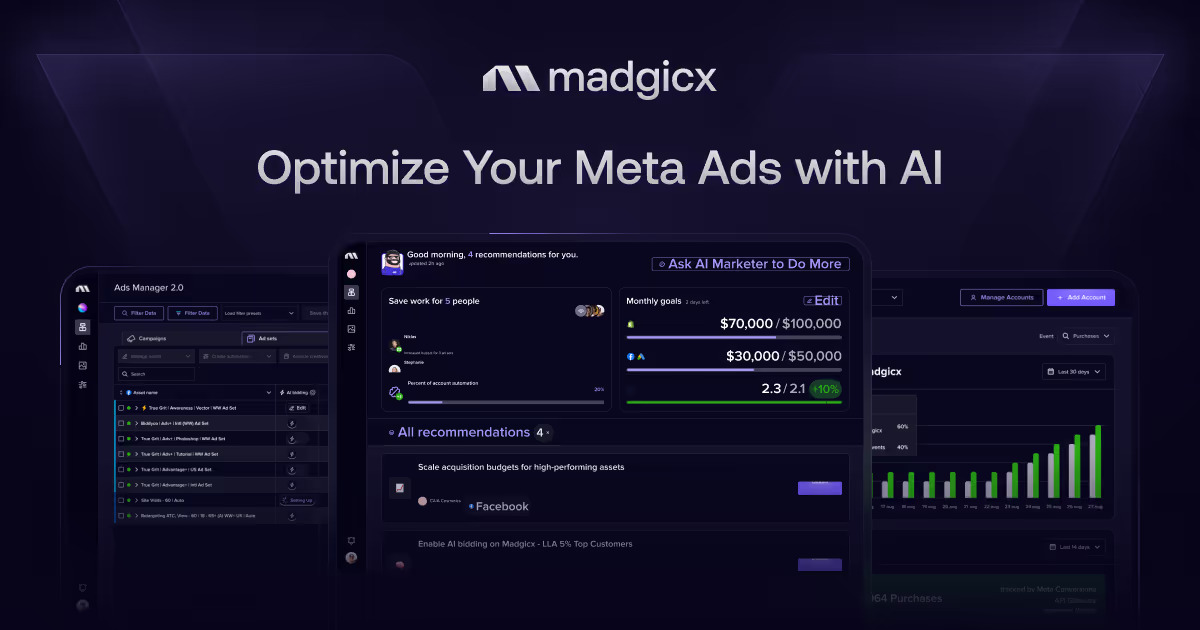
Advertising platforms such as Google and Meta rely heavily on AI to optimize:
- Smart bidding
- Budget allocation
- Creative testing
- Audience expansion
Result:
Campaign management becomes less manual — but more strategic.
Marketers must understand how algorithms behave, not just how to launch ads.
3️⃣ AI-Generated Content Explosion
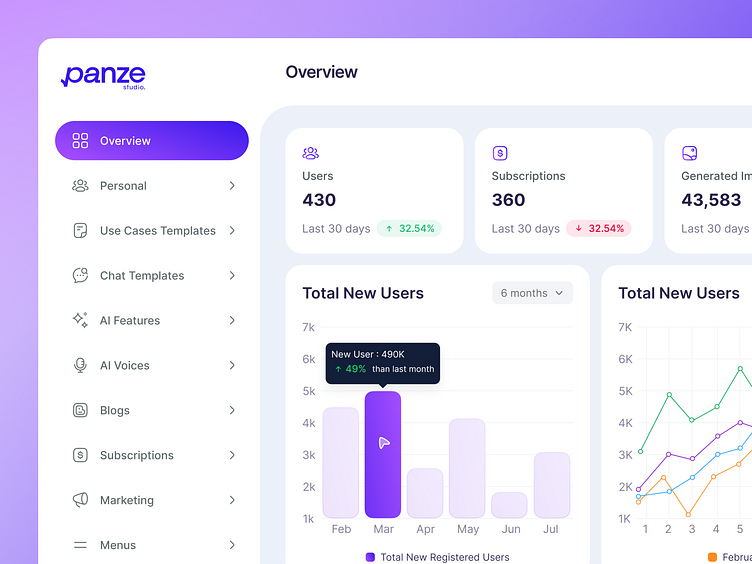
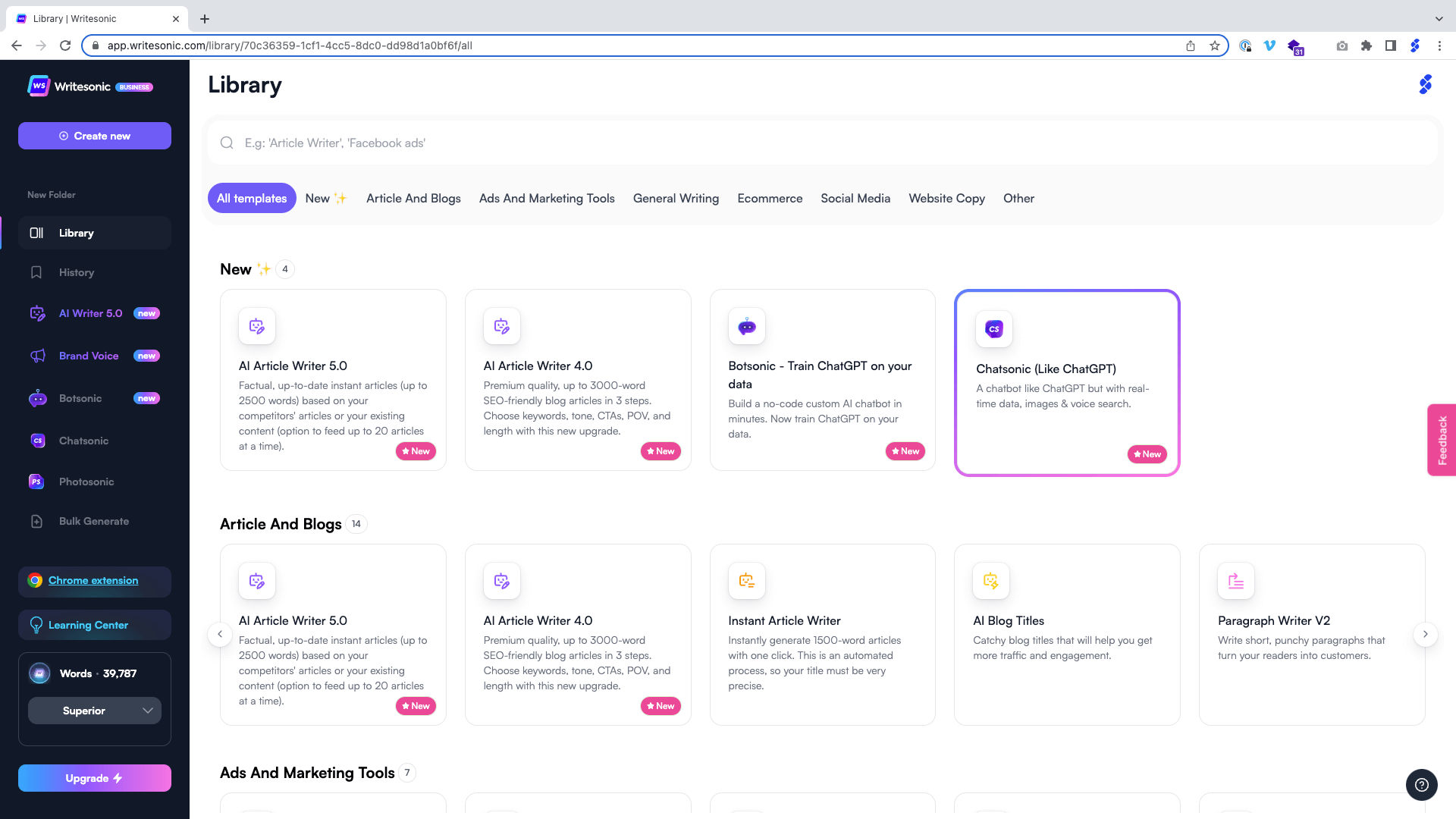
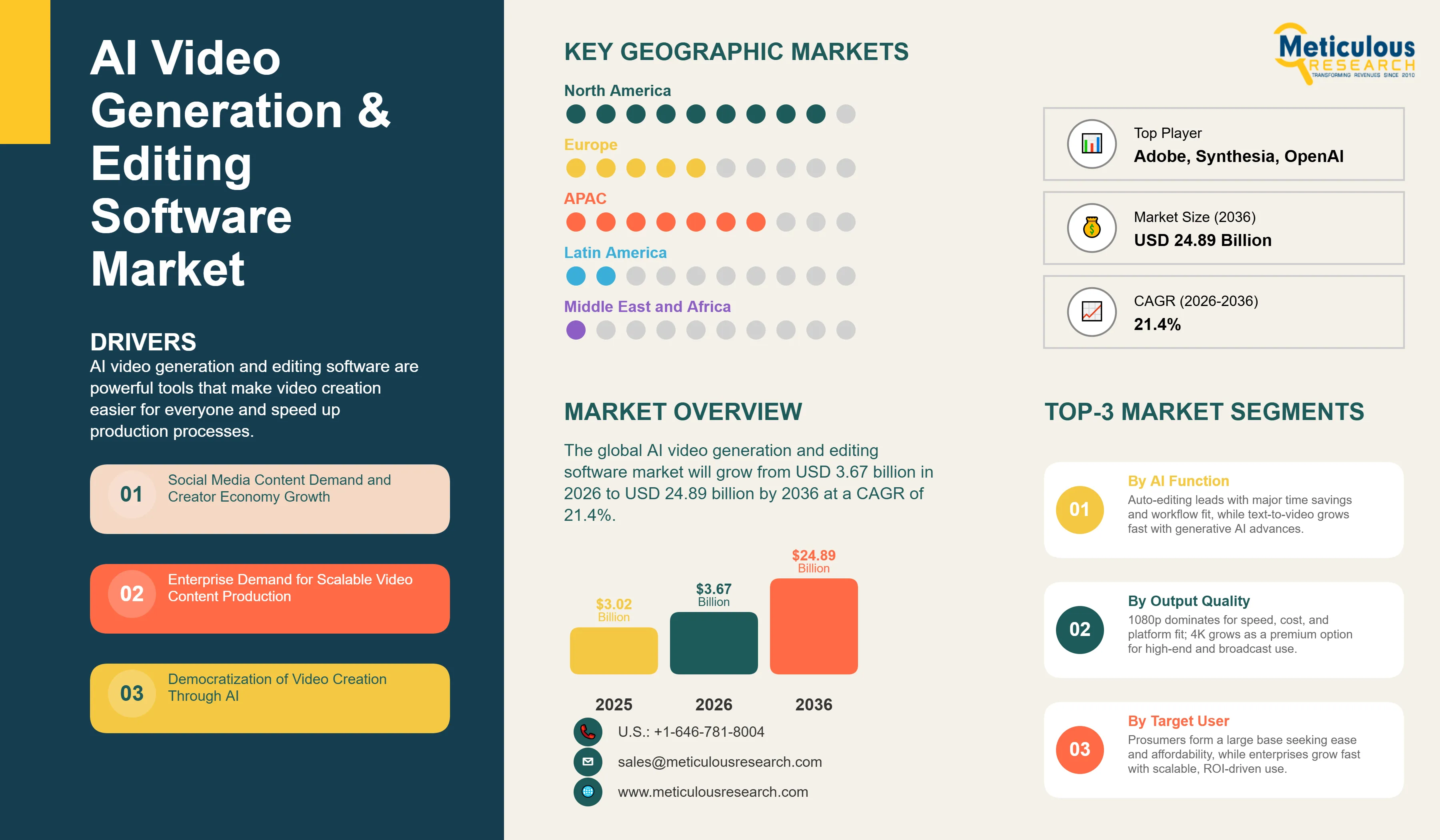
Tools like OpenAI and Canva enable:
- Ad copy production
- Script writing
- Image & video generation
Global Impact:
Content supply increases dramatically.
Which means:
👉 Strategy > Volume
👉 Positioning > Frequency
👉 Authority > Automation
Creativity and differentiation become the new currency.
4️⃣ Predictive & Data-Driven Marketing
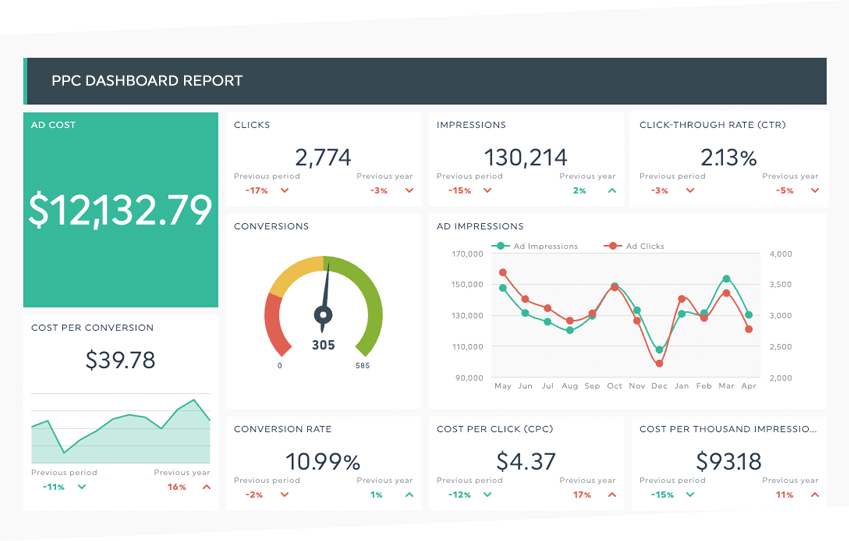

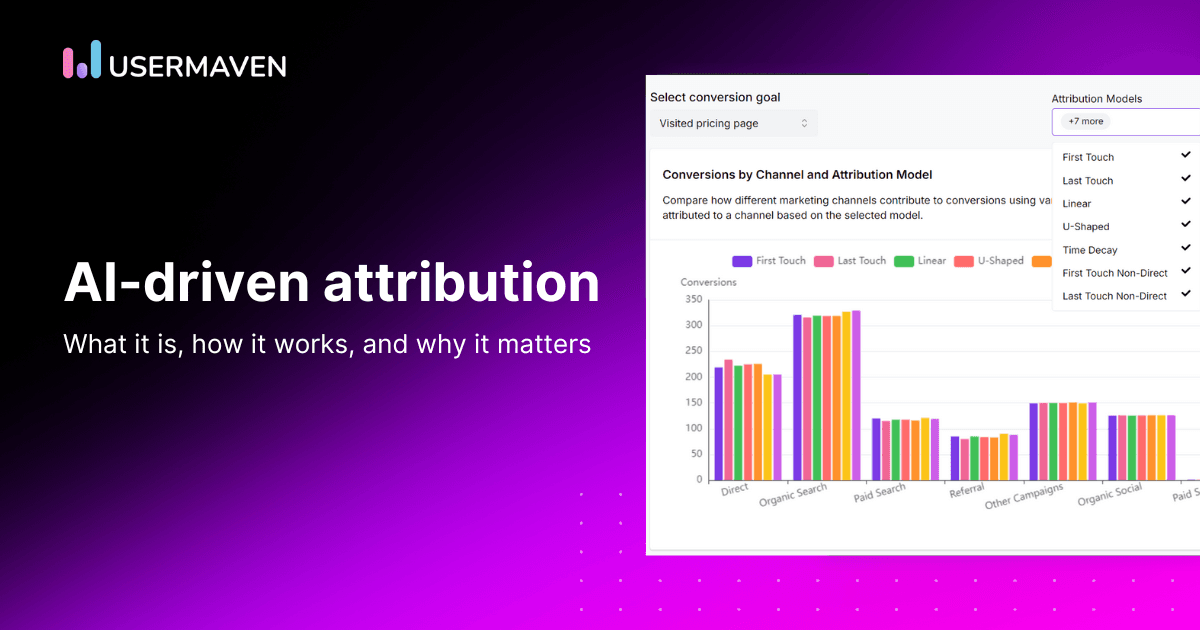
AI now predicts:
- Customer Lifetime Value (CLV)
- Conversion likelihood
- Churn probability
- Optimal engagement timing
Marketing is evolving toward data science integration.
The modern marketer must interpret AI insights — not just generate content.
5️⃣ The Rise of SEO → GEO → AEO


4
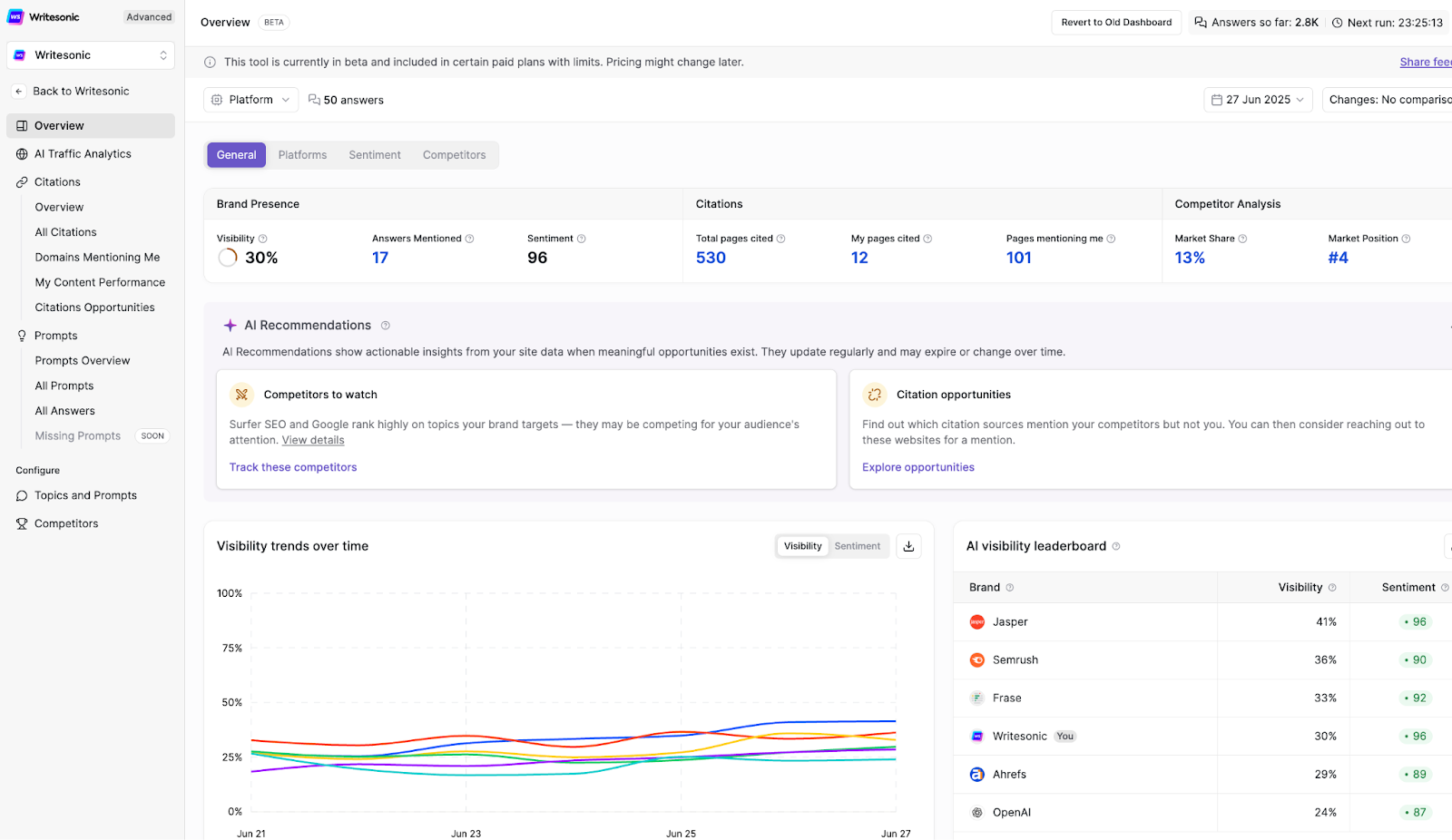
Search engines increasingly provide AI-generated answers instead of link lists.
This means businesses must optimize for:
- Search Engine Optimization (SEO)
- Generative Engine Optimization (GEO)
- Answer Engine Optimization (AEO)
Clear structure, authority, and expertise signals matter more than ever.
6️⃣ Privacy, Ethics & Cybersecurity Risks

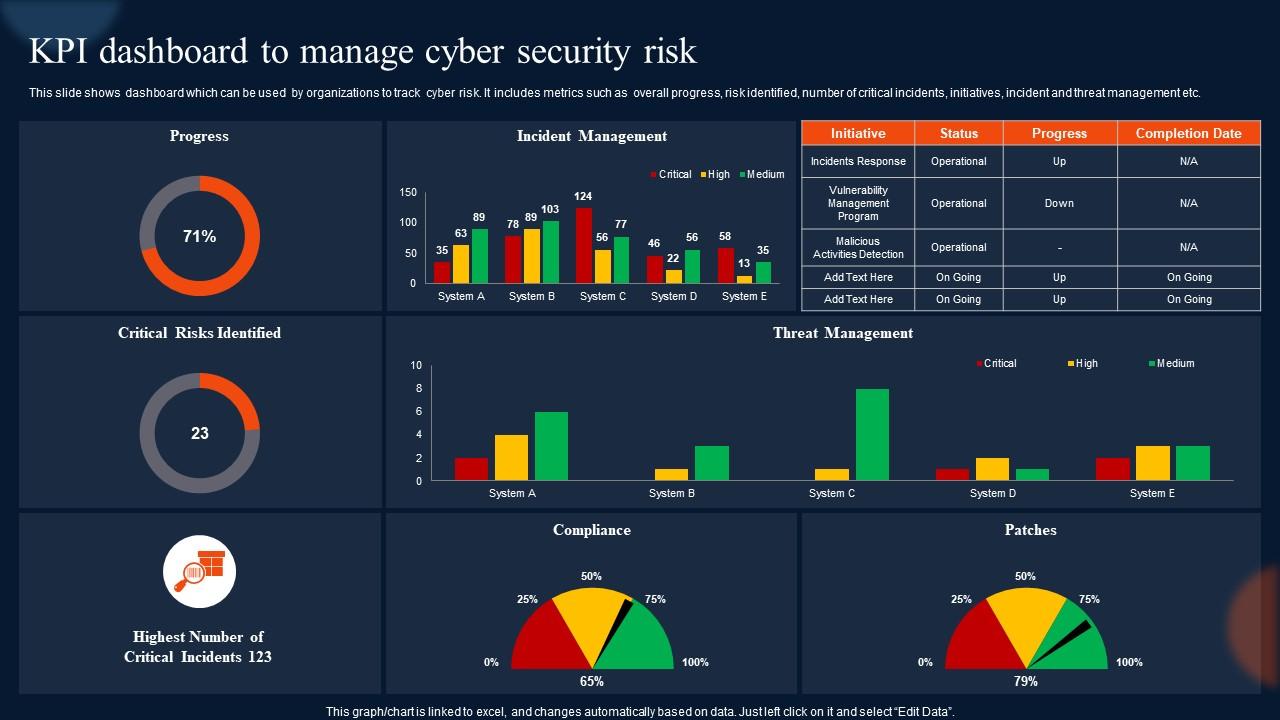

Global AI adoption also introduces risks:
- Data misuse
- Algorithm bias
- Deepfake advertising
- AI misinformation
- Regulatory scrutiny
Countries are tightening compliance frameworks.
Businesses must adopt AI governance principles.
This is where digital marketing intersects with cybersecurity.
🧩 Strategic Framework: AI Marketing Impact Model 2026
This becomes your signature framework.
AI Marketing Impact Model 2026
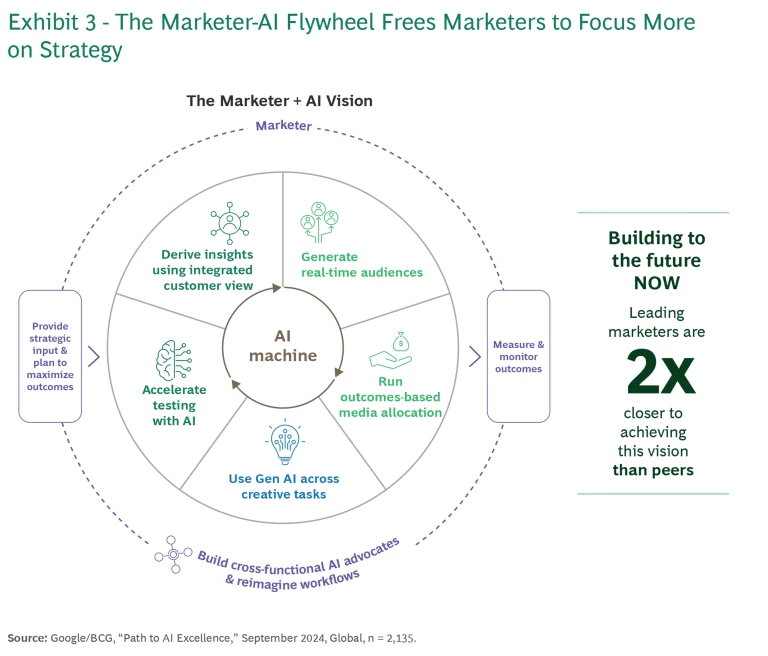
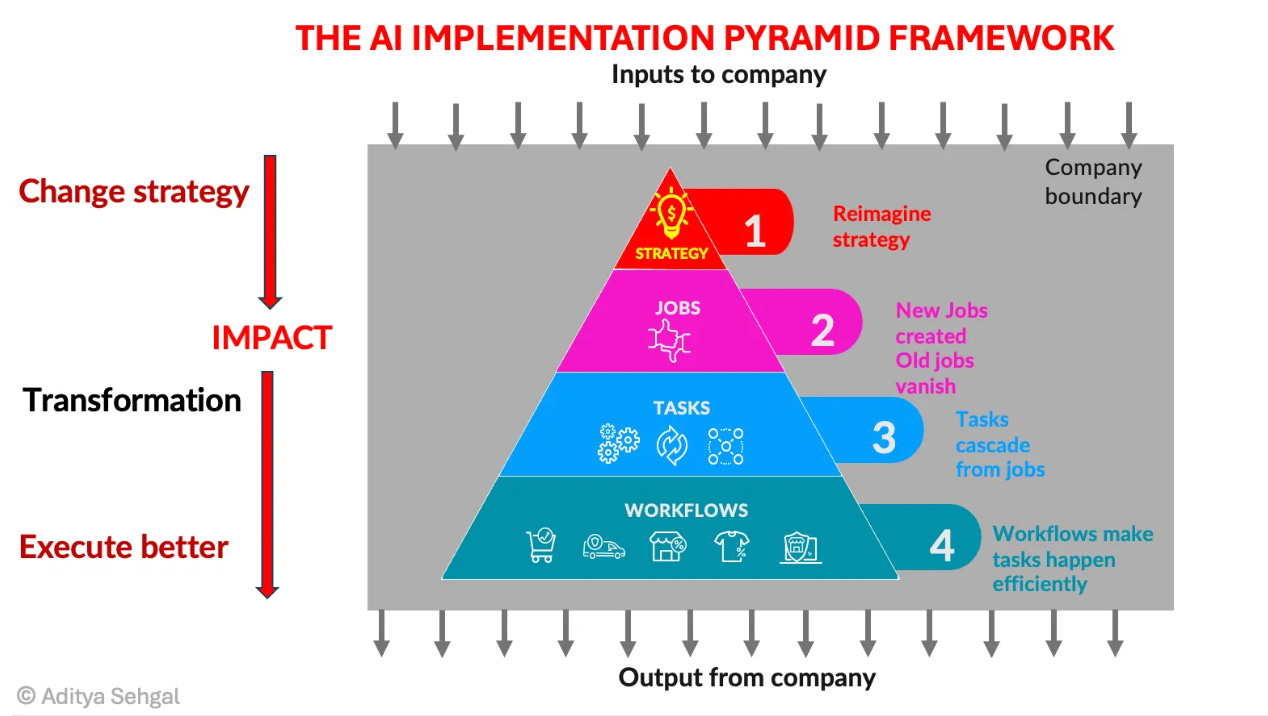
Layer 1: Automation Engine
Campaign execution, bidding, workflows
Layer 2: Intelligence Layer
Predictive analytics, segmentation, attribution
Layer 3: Experience Layer
Personalization, dynamic content, conversational AI
Layer 4: Trust & Governance Layer
Data protection, AI ethics, compliance, cybersecurity
Center Core:
Strategic Human Oversight
🇸🇬 Singapore SME Mini Case Example
A local tuition center adopts AI-driven ads + predictive retargeting.
Results:
- 30% reduction in cost per lead
- 2x faster campaign testing
- 20% higher retention rate
However, without secure data handling policies, customer trust declines.
Lesson:
AI adoption must be strategic AND responsible.
📈 Final Strategic Takeaway
Global AI adoption creates:
✔ Lower cost barriers
✔ Faster marketing cycles
✔ More measurable ROI
✔ Higher competition
✔ Greater regulatory risk
The winning businesses in 2026 will not be those who use AI the most.
They will be those who use AI strategically, creatively, and securely.
📌 FAQ: Global Adoption of AI in Digital Marketing (2026)
1️⃣ How is AI transforming digital marketing in 2026?
AI is transforming digital marketing by enabling hyper-personalization, predictive analytics, automated campaign optimization, and AI-generated content at scale. In 2026, marketing decisions are increasingly driven by machine learning models that analyze customer behavior in real time, improving targeting, efficiency, and ROI.
2️⃣ What are the biggest benefits of AI in digital marketing?
The biggest benefits of AI in digital marketing include:
- Automated campaign optimization
- Real-time personalization
- Predictive customer insights
- Faster content production
- Improved ROI tracking
AI reduces manual workload while increasing marketing precision.
3️⃣ What are the risks of global AI adoption in marketing?
Key risks include:
- Data privacy violations
- Algorithm bias
- Over-reliance on automation
- AI-generated misinformation
- Regulatory non-compliance
Businesses must implement AI governance and cybersecurity controls to manage these risks effectively.
4️⃣ Will AI replace digital marketers?
No. AI will not replace digital marketers — it will transform their role.
Marketers in 2026 must shift from manual campaign execution to strategic oversight, AI tool orchestration, data interpretation, and ethical governance. Human creativity and strategic thinking remain critical competitive advantages.
5️⃣ How does AI affect SEO and search rankings?
AI affects SEO by shifting search behavior from traditional keyword-based ranking to intent-based answer generation.
Businesses must optimize for:
- Structured content
- Clear question-answer formats
- Authority and expertise signals
- Conversational search queries
This evolution supports SEO, GEO (Generative Engine Optimization), and AEO (Answer Engine Optimization).
6️⃣ How can SMEs adopt AI in digital marketing effectively?
SMEs can adopt AI effectively by:
- Starting with AI-powered advertising tools.
- Implementing basic marketing automation.
- Using AI for customer segmentation.
- Ensuring proper data protection practices.
- Maintaining human oversight over AI decisions.
Strategic integration is more important than tool adoption alone.
7️⃣ What skills do marketers need in an AI-driven world?
In 2026, marketers need:
- AI prompt engineering
- Data interpretation skills
- Automation workflow design
- Strategic positioning knowledge
- Understanding of privacy and compliance
The modern marketer becomes an AI strategist rather than a task executor.
8️⃣ How does cybersecurity relate to AI marketing?
AI marketing relies heavily on customer data. Without proper cybersecurity measures, businesses risk data breaches, compliance violations, and loss of customer trust.
Secure data handling, access controls, and AI governance policies are essential for sustainable AI marketing adoption.
9️⃣ Is AI marketing expensive to implement?
AI marketing is no longer limited to large enterprises. Many platforms already include AI features within advertising and analytics tools.
For SMEs, costs are often tied to software subscriptions rather than infrastructure investment. The key factor is strategy — not budget size.
🔟 What is the AI Marketing Impact Model 2026?
The AI Marketing Impact Model 2026 is a strategic framework consisting of:
- Automation Engine
- Intelligence Layer
- Experience Layer
- Trust & Governance Layer
- Strategic Human Oversight (Core)
It helps businesses adopt AI responsibly while maintaining performance and credibility.
🔎 People Also Ask: AI in Digital Marketing (2026 Edition)
1️⃣ What industries are most affected by AI in digital marketing?
Industries most affected by AI in digital marketing include e-commerce, finance, education, healthcare, real estate, and SaaS. These sectors rely heavily on data-driven customer acquisition and personalization, where AI significantly improves targeting and conversion performance.
2️⃣ How does AI improve customer experience in marketing?
AI improves customer experience by delivering personalized recommendations, predictive messaging, faster chatbot responses, and optimized engagement timing. It reduces irrelevant messaging and increases perceived brand relevance.
3️⃣ What is predictive marketing in AI?
Predictive marketing uses machine learning algorithms to analyze past customer behavior and forecast future actions, such as purchase likelihood, churn probability, and lifetime value. It helps businesses make proactive marketing decisions instead of reactive ones.
4️⃣ Is AI marketing suitable for small businesses?
Yes. Many AI tools are integrated into advertising platforms like Google Ads and Meta Ads, making them accessible to SMEs. Small businesses can start with automated bidding, audience expansion, and AI-driven content tools without large infrastructure investments.
5️⃣ What are the ethical concerns of AI in marketing?
Ethical concerns include data privacy violations, algorithm bias, deepfake content, manipulation of consumer behavior, and lack of transparency. Businesses must adopt responsible AI governance policies to maintain trust.
6️⃣ How does AI change content marketing strategies?
AI increases content production speed, but it also increases competition. Brands must focus on differentiation, expertise, and authority instead of simply publishing more content. Human insight remains essential.
7️⃣ What is Generative Engine Optimization (GEO)?
Generative Engine Optimization (GEO) refers to optimizing content so that AI-powered search engines and generative answer systems can extract, summarize, and cite it accurately. It focuses on clarity, structure, and expertise signals.
8️⃣ What is Answer Engine Optimization (AEO)?
Answer Engine Optimization (AEO) involves structuring content in direct question-and-answer formats to increase visibility in AI-generated responses, voice search results, and featured snippets.
9️⃣ How does AI affect marketing jobs?
AI automates repetitive tasks but increases demand for strategic roles such as AI workflow design, data analysis, automation architecture, and AI governance. Marketers who adapt gain higher-value responsibilities.
🔟 What are the limitations of AI in marketing?
AI cannot replace human creativity, emotional intelligence, brand storytelling, and ethical judgment. It also depends on quality data; poor data inputs result in inaccurate outputs.
1️⃣1️⃣ How can companies measure AI marketing performance?
Companies can measure AI marketing performance using metrics such as cost per acquisition (CPA), return on ad spend (ROAS), customer lifetime value (CLV), engagement rates, and predictive accuracy of AI models.
1️⃣2️⃣ Does AI increase marketing ROI?
When implemented strategically, AI can increase marketing ROI by improving targeting precision, reducing wasted ad spend, automating optimization, and predicting high-value customers more accurately.
1️⃣3️⃣ How does AI impact digital advertising costs?
AI can reduce costs through better bidding optimization and audience targeting. However, increased competition from AI adoption may also drive up ad auction prices globally.
1️⃣4️⃣ What role does data play in AI marketing?
Data is the foundation of AI marketing. Machine learning systems rely on historical behavioral data, engagement metrics, and transaction records to generate predictions and automation decisions.
1️⃣5️⃣ Can AI help with customer retention?
Yes. AI can identify churn signals early and trigger automated retention campaigns, personalized offers, and re-engagement strategies before customers disengage.
1️⃣6️⃣ How should businesses start implementing AI marketing?
Businesses should start by:
- Auditing current data quality
- Using AI-enabled ad platforms
- Testing automation features
- Implementing structured reporting
- Ensuring compliance with privacy regulations
Strategic rollout prevents operational overwhelm.
1️⃣7️⃣ Is AI marketing secure?
AI marketing is secure only if businesses implement cybersecurity controls such as data encryption, access management, compliance monitoring, and AI governance frameworks.
1️⃣8️⃣ What is AI governance in marketing?
AI governance refers to policies and controls that ensure AI systems operate ethically, transparently, and in compliance with data protection laws. It includes bias monitoring, audit trails, and data protection standards.
1️⃣9️⃣ Will AI make digital marketing more competitive?
Yes. As AI lowers the barrier to entry, more businesses can run advanced campaigns. This increases competition and makes strategic differentiation more important than ever.
2️⃣0️⃣ What is the future of AI in digital marketing beyond 2026?
Beyond 2026, AI will likely integrate deeper into conversational commerce, predictive personalization, autonomous campaign management, and real-time adaptive content experiences. Human oversight and ethical governance will become increasingly critical.
Leave a Reply